
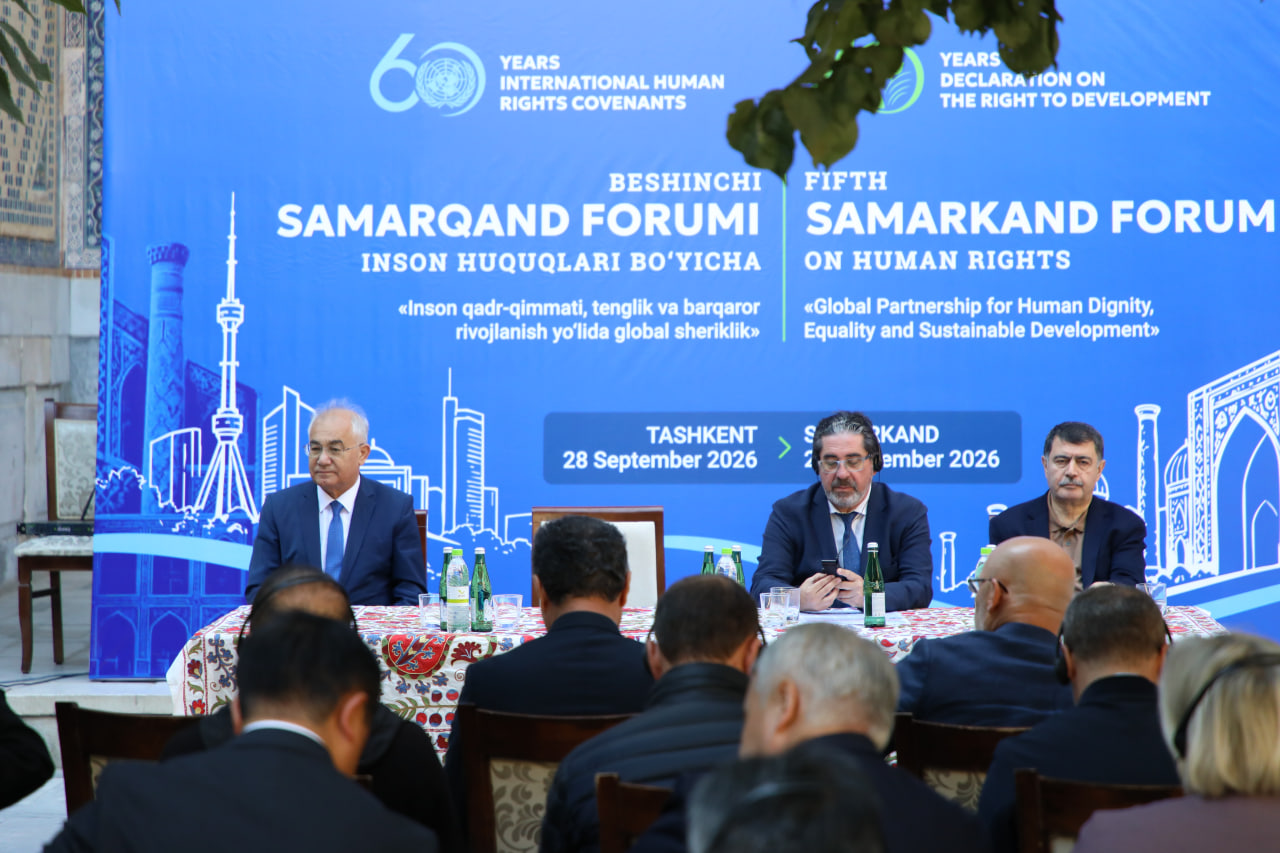
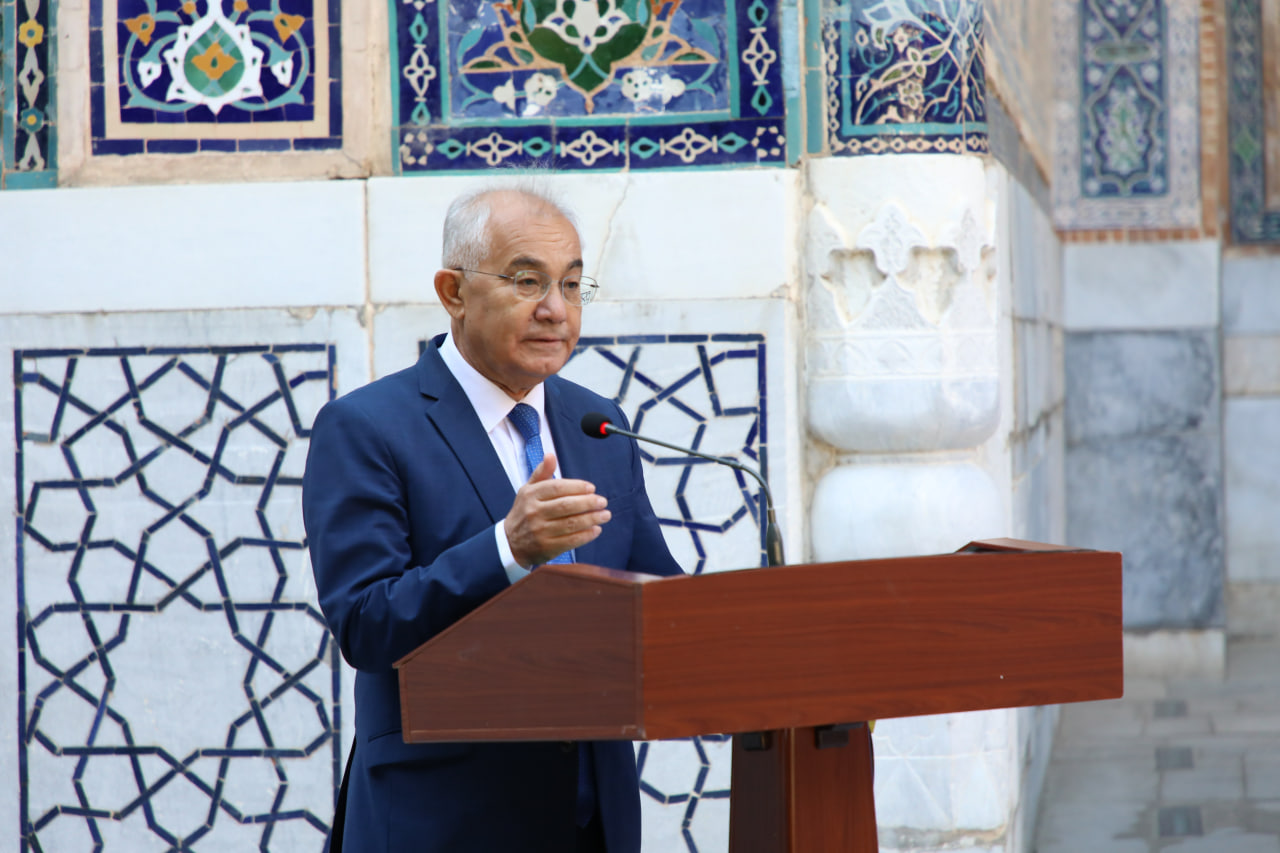
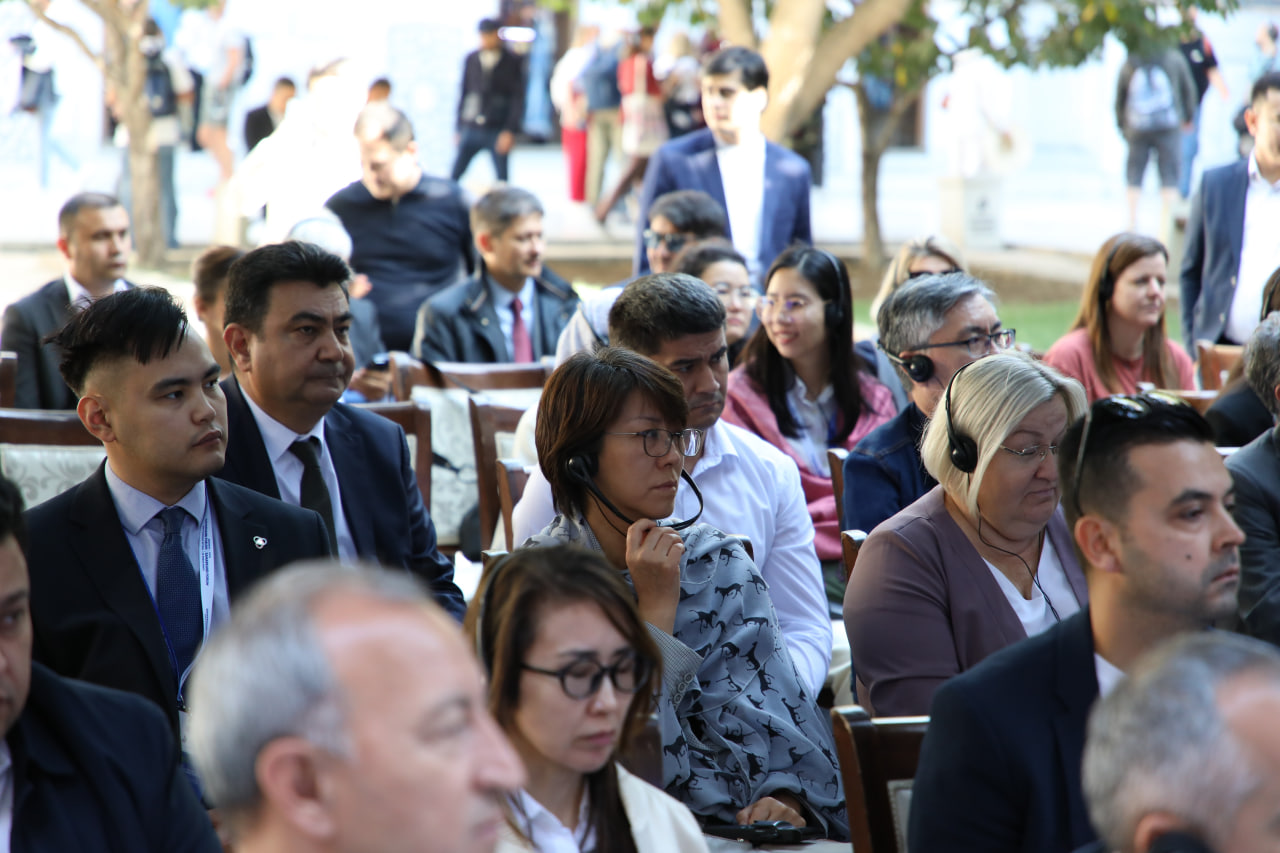
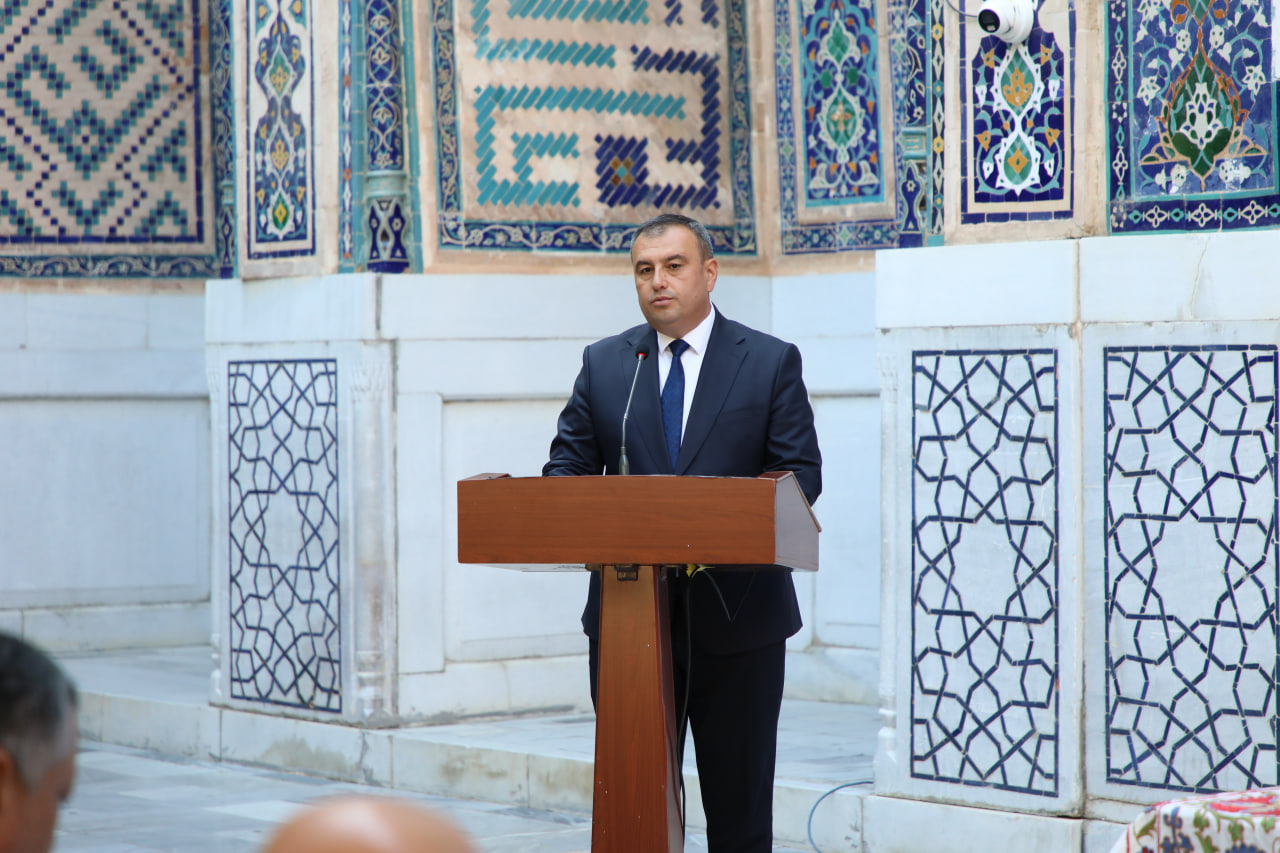
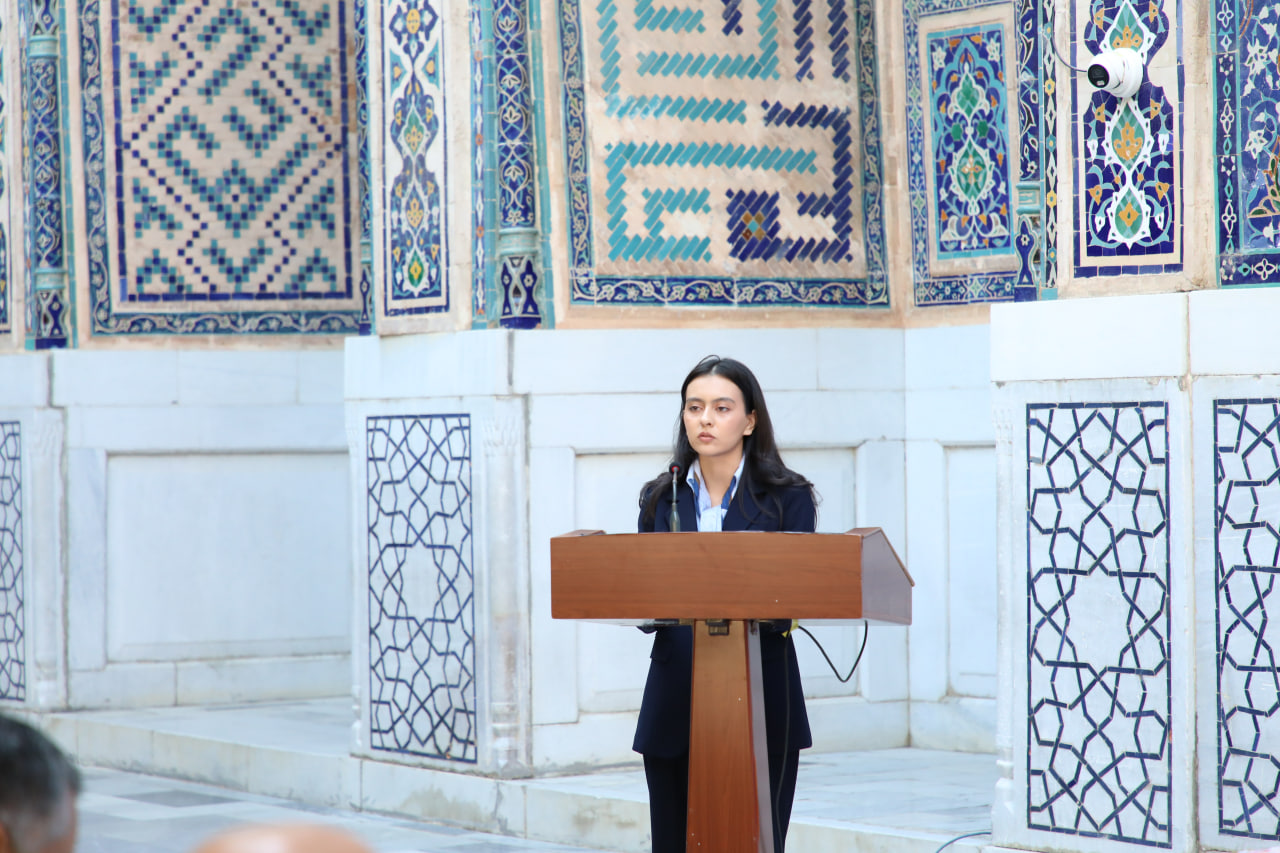
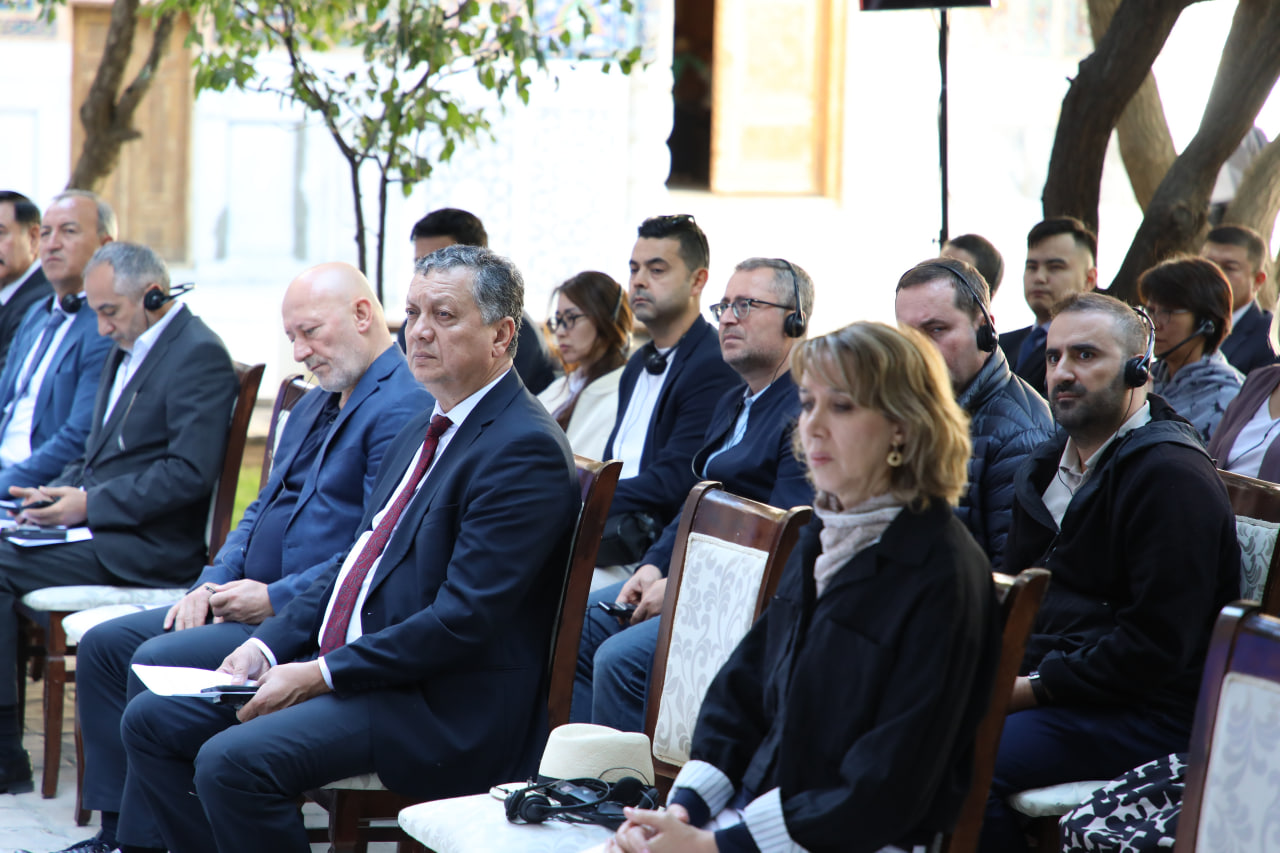
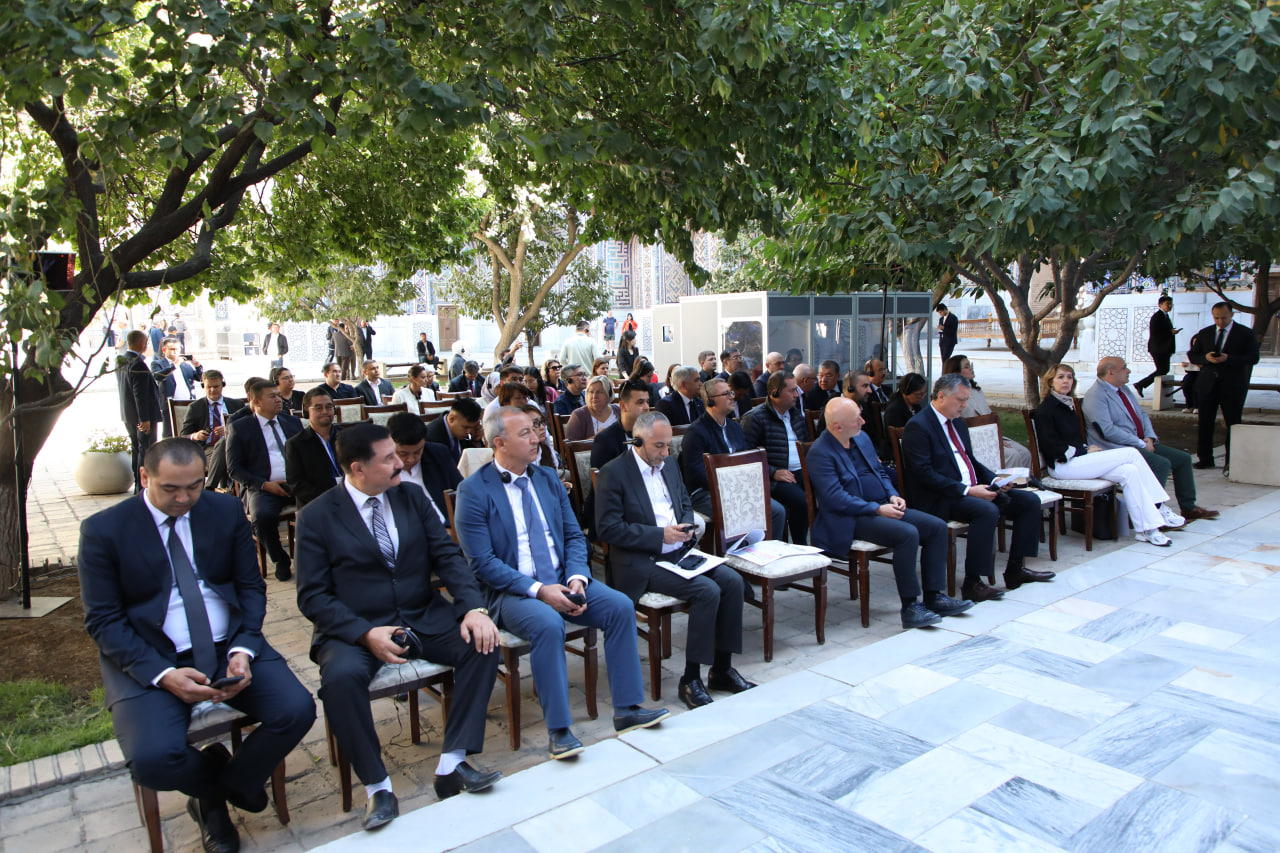
On September 29, the final plenary session of the Fifth Samarkand Forum on Human Rights took place in the city of Samarkand. This traditional international event was organized by the National Centre of the Republic of Uzbekistan for Human Rights in cooperation with the Ministry of Foreign Affairs, as well as the Office of the UN High Commissioner for Human Rights, the OSCE, the International Committee of the Red Cross, and the International Center for Development and Justice.
The Forum was dedicated to the theme: "60th Anniversary of the International Human Rights Covenants and 40th Anniversary of the Declaration on the Right to Development: Global Partnership for Human Dignity, Equality, and Sustainable Development." Its grand opening, high-level plenary sessions, the plenary session dedicated to the anniversary of the National Centre, and seven breakout sessions were held in Tashkent.
The final plenary session in Samarkand began with a presentation of general conclusions and proposals based on the outcomes of the breakout sessions held in parallel. Moderators spoke on this specific topic across all sessions.
Conclusions and proposals voiced by participants during these presentations were synthesized with a view to strengthening the universal human rights protection system. Practical recommendations to be reflected in the final document were formulated.
Subsequently, the draft final document, titled "Samarkand Vision 2040: Global Partnership for Human Dignity, Equality, and Sustainable Development," was presented to the forum participants. It was introduced by Akmal Saidov, Director of the National Centre of the Republic of Uzbekistan for Human Rights.
The use of the term "Strategic Vision" in the final document of the Fifth Samarkand Forum on Human Rights is significant. This is because the document is intended to define long-term priorities for international cooperation in ensuring human dignity and equality, strengthening the universal human rights protection system, and promoting sustainable development.
As noted by the forum participants, this year marks the eighth anniversary of the establishment of the Samarkand Forum on Human Rights. This international conference, traditionally held every two years, has rapidly evolved into a unique, accessible, and distinctive global platform for discussing pressing issues across various human rights sectors and identifying effective solutions.
The Asian Forum on Human Rights was first held in Samarkand in 2018. Subsequent forums focused on youth rights in 2020 and human rights education in 2022. The Fourth Samarkand Forum in 2024 addressed environmental threats and their impact on human rights. The Fifth Samarkand Forum represents a logical continuation of this noble tradition.
Today, humanity faces complex and deeply interconnected global challenges. In particular, the rapid advancement of artificial intelligence and new digital technologies brings not only immense opportunities for human life but also new legal and ethical risks.
Therefore, refining the universal human rights protection system in light of modern realities is one of the most pressing tasks of our time. The program of the Fifth Samarkand Forum was also focused precisely on these goals and objectives.
During the forum's plenary sessions, discussions covered the sixty-year experience of international covenants, the significance of the right to development as a universal human right, and issues regarding the further strengthening of international and national human rights systems in response to global solidarity needs and modern challenges.
Seven breakout sessions addressed critical issues such as civil and political rights; economic, social, and cultural rights; the rights of children, women, and persons with disabilities; the right to a healthy environment and climate justice; artificial intelligence and digital technologies; and the prevention of statelessness.
According to the organizers of the Fifth Samarkand Forum on Human Rights, the intended goals and outcomes of this major international event were successfully achieved.
First, strategic political recommendations were developed regarding the implementation of international obligations, the promotion of the right to development, the strengthening of national human rights institutions, and the adoption of a human rights-based approach to sustainable development.
Second, expanded international cooperation and partnership: Cooperation between governments, the UN, international organizations, financial institutions, academia and civil society has been strengthened.
Third, Exchange of Knowledge and Best Practices: Encouragement of exchange of experience on implementation of national standards, institutional innovation and informed decision-making.
Fourth, Strengthening National Capacity: Significant steps have been taken to implement international obligations, enhance inter-agency coordination, and strengthen the capacity of national mechanisms.
Fifth, Promoting a comprehensive human rights agenda: Comprehensive approaches have been developed that ensure the interdependence of all human rights, environmental issues, climate action, digital technologies, gender equality, and the protection of vulnerable groups.
Sixth, Strengthening the Samarkand Forum as a permanent international dialogue platform: The Forum's global influence and role in effectively ensuring human rights have further increased.
The participants of the Fifth Samarkand Human Rights Forum expressed their deep gratitude to the President of the Republic of Uzbekistan Shavkat Mirziyoyev for the hospitality and high-level organization of the Forum.
The unanimous opinion of the participants is as follows: Human rights are the space that connects us to each other - our past, present, and future. By combining our strengths and opportunities to strengthen these ties, we are building a better and more stable world for all. The main idea that unites us all is to glorify human dignity, ensure equality and respect for the rights and freedoms of every person throughout the world.
Press Service of the National Center of the
Republic of Uzbekistan for Human Rights